
Period Poverty — Behind the Silence and Statistics
Menstruation is a natural part of life yet across Africa, millions of girls and women face it without the basic hygiene products, privacy, or acceptance they deserve. Period poverty silently robs them of dignity, education, and in some cases, their future.
Below are real accounts and data from Nigeria, Kenya, South Africa and other African communities. These stories, though painful are urgent reminders that period poverty remains a crisis that must end.
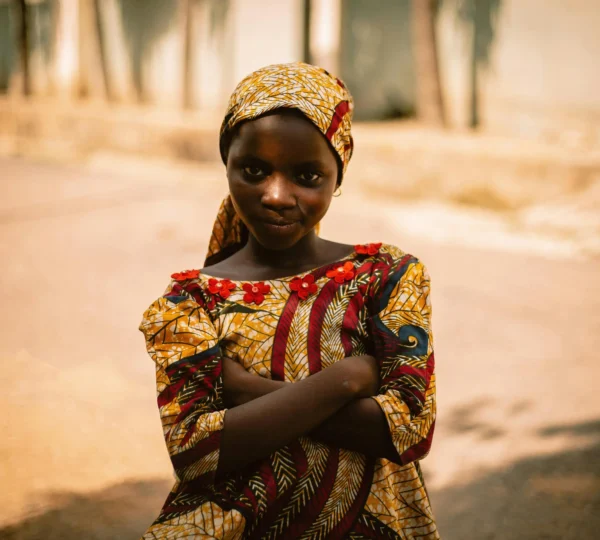
A Girl from Africa.
Kenya
When a Period Means Staying Home — or Worse
In 2025, a news report described how millions of Kenyan schoolgirls are forced to stay home during their periods because they lack access to sanitary products.
One girl from a rural community shared how she used soil, old blankets, and even mattress pieces just to manage her period because that was all her family could afford. She often missed 3–5 days of school every month, falling behind in class, living in constant fear of stains, and growing more withdrawn with each cycle.
Sadly, for many like her, this cyclical absence doesn’t end early eventually, their families decide school isn’t worth it, and she becomes vulnerable to early marriage or dropping out permanently.
As one teacher in Kajiado County recently said, “Every sanitary pad donated is a gift of dignity and a step toward uninterrupted education for girls.”
Nigeria
When Pads Are a Luxury Some Families Can’t Afford
In Nigeria, rising costs have made sanitary pads increasingly unaffordable. A major 2025 report highlighted that many adolescent girls now miss up to five school days each month, not because they are ill, but because they can’t manage their period with dignity.
One girl recounted how she used old cloths or tissue paper, often uncomfortable and unreliable — whenever she couldn’t buy pads. The shame and fear of staining became so heavy that she avoided going to school altogether those days.
As a result, many girls drop behind academically, even though they’re bright and capable simply because they bleed once a month.
This scenario is not just individual hardship, but a collective loss of potential, of dreams, and of equal opportunities.
South Africa
Hidden, Common — Yet Largely Ignored
In South Africa, a recent investigation revealed shocking numbers: about seven million girls and women cannot afford or access basic menstrual products.
One “schoolgirl” described raising her hand not to answer a question but to ask permission to go home early again. It wasn’t illness, it wasn’t laziness, it was her period.
Around 30% of schoolgirls reportedly skip school each month because of their periods, leading to a loss of roughly 50 school days a year for many.
Some resort to dangerous alternatives like socks, mattress foam, newspaper thereby risking infections and serious health problems.
One grassroots campaigner in KwaZulu-Natal described their work as “more than providing pads. It’s restoring confidence and dignity.”
Why These Real Stories Matter
- They show how widespread period poverty is, across different African countries and communities from rural villages to urban townships.
- They reveal the human impact beyond statistics: shame, lost education, fear, secrecy, and diminished opportunities.
- They expose how poverty, stigma, and inadequate support combine to hold back girls and women, often permanently.
- Importantly, they demonstrate that period poverty is not a “women’s problem” — it’s a human and social justice issue.
How Period Poverty Undermines Education, Equality & Empowerment
Missed school days: Girls missing 3–5 days monthly lose up to 10–15% of instructional time annually. Over years, this gap becomes huge.
Dropouts & lost potential: For some girls, repeated absences – poor grades – dropout – limited future opportunities.
Broken self-esteem: Living with shame, secrecy, and fear can damage confidence and mental health.
Health risks: Using makeshift materials increases risk of infections and long-term reproductive health problems.
And for many societies, that means wasted human potential. Young women who never get to reach their dreams, businesses that never benefit from their talents, communities that lose out on strong female voices.
What’s Being Done and Where More Help Is Needed
Good efforts are underway:
- In Kenya, organizations are distributing reusable pad kits, hosting menstrual-health education drives, and breaking the silence in classrooms and homes.
- In South Africa, grassroots campaigns supply pads, build awareness, and advocate for menstrual equity — fighting not just poverty, but period stigma.
- Across Nigeria, more voices are calling for government action, NGO support, and community mobilization to make menstrual products affordable and accessible.
Yet the scale of the crisis remains enormous and many girls are still silent.
What Can You Do — Blossomflow’s Call to Action
- Speak Up: Break the silence about menstruation in your home, school, community. Talk openly and honestly.
- Support Access: Donate or help distribute sanitary pads and menstrual kits to girls in need.
- Educate: Teach girls and boys about menstruation, hygiene, dignity, and respect.
- Advocate: Push for policies that make menstrual products tax-free, available in schools, and accessible to all.
- Support Campaigns: Organizations like Blossomflow Empowerment Foundation are on the ground so volunteer, donate, or share their message.
Every act matters. Every pad given is more than hygiene, it’s hope, dignity, education, equality.
Conclusion
From rural Kenya to townships in South Africa, from cities in Nigeria to villages across Africa, the stories are different, but the pain is the same. Period poverty steals education, dignity, health, and hope from millions of girls and women.
But these stories also carry power — the power to awaken conscience, drive reform, and fuel real change.
At Blossomflow Empowerment Foundation, we believe in that change. We believe in every girl’s right to bleed with dignity, stay in school, and build her future in Africa and the world over.
Because when a girl gets a pad, she gets more than protection, she gets a chance.
And when she gets that chance, she can change her own life, and maybe the world around her.