
More Than Pads: The Hidden Barrier of Bad Toilets
When we talk about period poverty, the first thing many people think of is access to menstrual products. But there’s another, deeper issue that often gets overlooked: sanitation facilities and infrastructure.
Period poverty isn’t only about not having pads, it’s about not having a safe, clean, private place with water and waste disposal to manage menstruation with dignity. Without this basic infrastructure, women and girls are forced to endure discomfort, missed education, and lost opportunities every month.
Poor sanitation isn’t just an inconvenience, it’s a major driver of period poverty and a barrier to equality, dignity, and empowerment.
What Sanitation Has to Do With Menstruation
Managing menstruation requires more than pads, it requires privacy, water, toilets, hand-washing stations, and systems to dispose of used menstrual products. When these things are missing, period management becomes extremely difficult.
Globally, about 1.7–2.3 billion people lack basic sanitation services, including access to private toilets and clean water.
Without these essentials:
- Women and girls can’t change menstrual products safely.
- They lack privacy to manage bleeding it in dignity
- They risk infections and health issues.
- They miss school or work.
In many regions, poor sanitation and menstruation go hand in hand, creating a cycle of shame, exclusion, and lost potential.
Sanitation Gaps: How They Hurt Girls & Women
-
Schools Without Clean, Private Toilets
Imagine being in school and starting your period, but there’s no private toilet with a door you can lock, no water to wash your hands, and no place to dispose of used pads.
In many low-income countries, half or more of schools do not have adequate sanitation facilities, forcing girls to miss school or leave early during their periods.
In Uganda’s Kamuli District, girls report staying home during their periods because schools lack private washrooms and water for menstrual care.
This isn’t a “small” disruption missing school days month after month soon leads to detachment, falling behind in class, lowered self-esteem, and increased dropout rates.
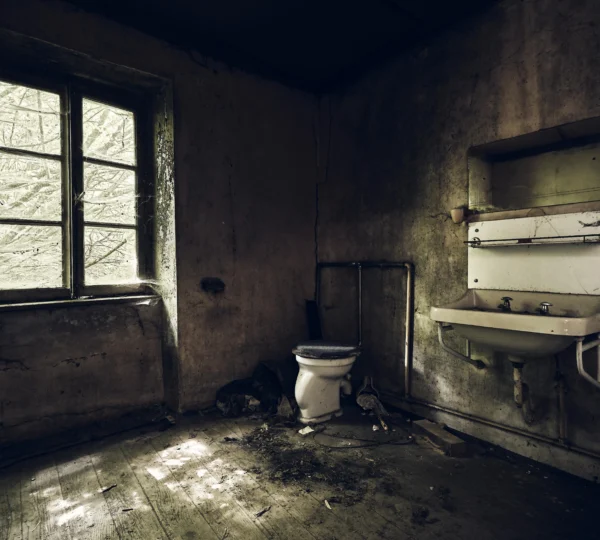
Poor Toilet Facility
-
Lack of Clean Water and Waste Disposal
To manage a period properly and hygienically, a girl or woman needs water to wash with, soap, and somewhere to safely dispose of used products. Without it, menstruation becomes messy, stressful, and humiliating.
UNICEF reports that inadequate sanitation in schools and public places creates challenges for girls and women, making it hard to maintain menstrual hygiene discreetly and safe.
This often results in girls avoiding school and women avoiding workplaces during menstruation, reducing productivity and reinforcing gender inequality.
-
Public Infrastructure That Ignores Women’s Needs
Poor infrastructure in communities including marketplaces, healthcare centers, and transit hubs also compounds period poverty.
When toilets are shared, dirty, or lack water, women may avoid public spaces entirely during their period. In some regions, poor sanitation keeps women from participating fully in community life.
In Nigeria, around 25% of women lack access to sanitation facilities that allow privacy and proper menstrual hygiene management.
This limits mobility, freedom, and participation in everyday life.
Why Poor Sanitation Feeds Period Poverty
-
Missed Education and Breaking the Cycle
Research from sub-Saharan Africa shows that one in ten girls miss school due to menstruation often because of a lack of sanitation and privacy to manage periods.
Missing days over months becomes lost weeks or even a quarter of the school year, which can push girls toward dropping out and reduce their long-term opportunities.
Inadequate infrastructure doesn’t just disrupt one school day, it chips away at a girl’s future.
2. Stigma Meets Infrastructure Gaps
Even when facilities exist, cultural taboos and stigma often prevent girls and women from using them comfortably. Many fear embarrassment, especially when toilets have no doors or lack privacy.
Poor sanitation amplifies stigma turning a natural biological process into an isolating and shameful experience.
Blossomflow’s Mission: Linking Sanitation, Education & Dignity
At Blossomflow Empowerment Foundation, our work fights period poverty on multiple fronts and sanitation is a key part of that fight.
-
Menstrual Health Education
We teach girls, boys, families, and communities about menstrual health, hygiene, and dignity including why infrastructure matters. Awareness is essential to demand better facilities.
-
Advocacy for Better Infrastructure
We advocate with schools, local leaders, and policymakers to prioritize female-friendly sanitation including clean toilets, water access, handwashing stations, and safe disposal systems.
Real Change Begins with Infrastructure Development
Efforts in places like Ethiopia, where organizations are helping build dedicated menstrual hygiene rooms with toilets, washrooms, and private spaces, show that improved sanitation can meaningfully keep girls in school.
It isn’t just about construction, it’s about designing spaces that respect women’s needs, support dignity, and reduce stigma.
What You Can Do to Help Fix the Infrastructure Gap
Blossomflow believes period poverty can be beaten, but it requires collective action:
-
Speak Up for Female-Friendly Toilets
Ask schools, workplaces, and community centers to install and maintain clean, private sanitation facilities.
-
Educate Your Community About Why Infrastructure Matters
Talk openly about how toilets, water, and disposal options affect girls’ education and women’s dignity.
-
Support Local and Global Initiatives
Whether through donations, volunteer work, or advocacy, aid programs that build sanitation and menstrual health infrastructure.
-
Help End Stigma
When stigma falls, pressure for better infrastructure rises and sustainable change follows.
Conclusion
Sanitation is a Period Poverty Solution
Poor sanitation and inadequate infrastructure don’t just make life uncomfortable, they are major contributors to period poverty.
When girls can’t access private toilets with water and hygiene facilities at school, they stay home. When women can’t manage their period safely in public spaces, they miss work and opportunities. When communities lack disposal systems, dignity is lost.
Blossomflow stands for education, dignity, empowerment, and equality — and improving sanitation is essential to that mission.
When infrastructure respects women and girls, period poverty weakens and lives strengthen.
Together, we can build a world where menstruation never stops a girl from learning or a woman from living with dignity.